
Menu
Menu
When considering property ownership in South Africa, one of the most crucial financial factors to monitor is the interest rate. Adjusted by the South African Reserve Bank (SARB), these rates directly influence borrowing costs, affordability, and ultimately, the property market. Whether you are a first-time buyer, a seller, or an investor, understanding how interest rates affect buying a property can help you make smarter decisions.
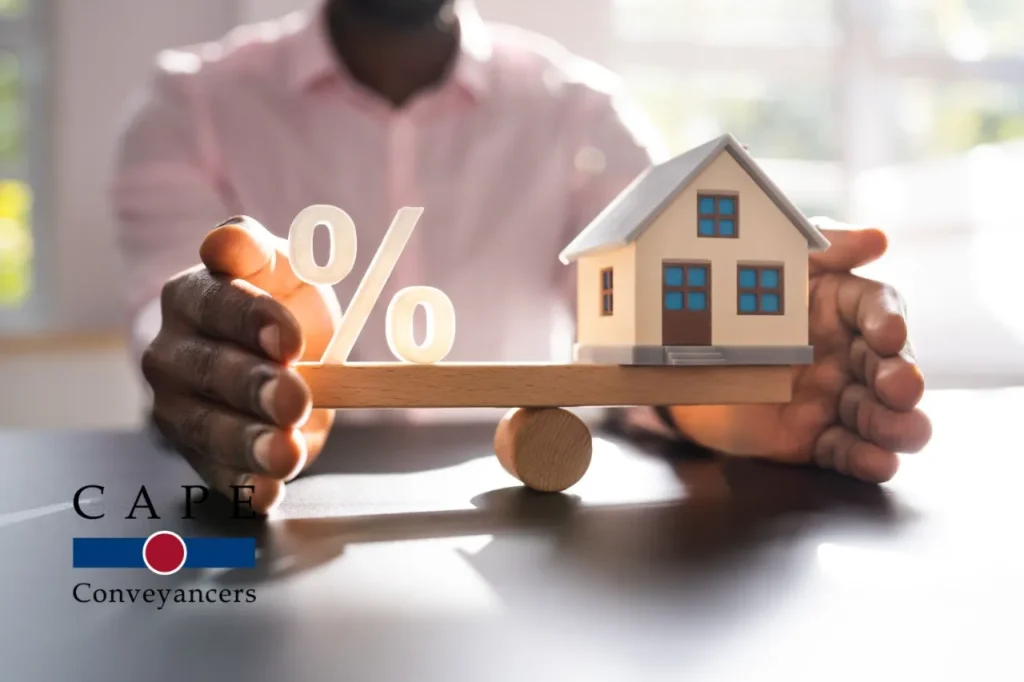
Interest rates dictate how much buyers pay back on their bonds (mortgages). A rate increase pushes up monthly repayments, while a decrease makes home ownership more affordable. For instance, even a 1% hike can add hundreds of rands to monthly instalments. This means many buyers may have to adjust their budgets, downsize their expectations, or delay their purchase.
For aspiring homeowners, keeping track of SARB announcements is vital, as these changes could determine whether you can afford a dream home or need to settle for something smaller.
Sellers are equally affected by interest rate fluctuations. When rates rise, buyers may hesitate, leading to:
For sellers who also plan to purchase another property, rising rates can complicate financing their next move.
Property investors face a unique situation. While higher interest rates raise financing costs, they can also create opportunities:
Astute investors often see high interest environments as a chance to acquire valuable properties at more favourable prices.
Interest rates do not exist in isolation. They are influenced by inflation, economic growth, and consumer spending patterns. When inflation is high, SARB tends to raise rates to curb spending, which in turn slows property demand. Conversely, when the economy is struggling, SARB may cut rates to stimulate growth, making it easier for more people to buy homes.
1. How often do interest rates change in South Africa?
The South African Reserve Bank reviews interest rates at regular Monetary Policy Committee meetings, typically six times a year.
2. Should I buy property when interest rates are high?
Yes, but with caution. While borrowing is more expensive, there may be less buyer competition, creating room for negotiation with sellers.
3. Do lower interest rates always mean higher property prices?
Generally, yes. When more people can afford loans, demand rises, often pushing property prices up.
4. How do interest rates affect first-time buyers?
First-time buyers are the most sensitive to changes, as even small adjustments can determine whether they qualify for a loan.
5. Can I fix my home loan interest rate in South Africa?
Yes, some banks allow you to fix your rate for a set period, offering stability against future increases.
6. What’s the best way to prepare for rising interest rates?
Budget for future increases, keep debt levels manageable, and explore options like fixing your rate or paying extra towards your bond.
So, how does interest rates affect buying a property? Quite significantly. They shape affordability, influence buyer and seller behaviour, and guide investment strategies. For South Africans navigating the property market, staying informed about interest rate trends is essential. By understanding these shifts, you can plan better, avoid financial strain, and seize opportunities when they arise.
Contact Roberts Incorporated to assist with your conveyancing needs. They are ready to manage the whole conveyancing process for you.