
- Understanding Conveyancing in South Africa
- Step-by-Step Conveyancing Process in SA
- Average Timeframe for Conveyancing in SA
- Timeline Breakdown: What Happens Each Week?
- Factors Affecting Conveyancing Timelines
- Fast-Track vs Standard Conveyancing: Key Differences
- Role of Conveyancers in Speeding Up the Process
- Key Legal Documents & Timeline Dependencies
- Technology & E-Conveyancing Trends in South Africa
- Common Mistakes That Cause Delays
- FAQs About How Long Conveyancing Takes in SA
- Conclusion: Managing Expectations in the Conveyancing Journey
- Contact Us Today
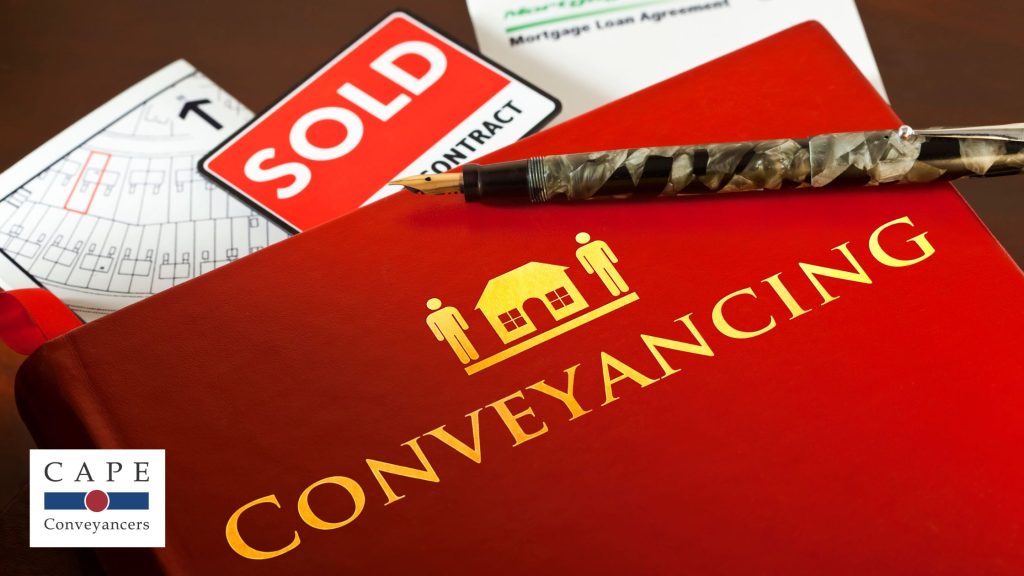
Understanding Conveyancing in South Africa
What is Conveyancing?
Conveyancing is the legal process that transfers property ownership from one person to another. In South Africa, it’s more than just a paperwork shuffle, it's a regulated sequence involving attorneys, banks, municipal offices, and the Deeds Registry.
Legal Framework Behind It
Conveyancing in SA is governed by the Deeds Registries Act and must be handled by a qualified conveyancer, an attorney with additional specialization. Every transfer, bond registration, and cancellation has to be recorded and processed through the Deeds Office to become legally binding.
Step-by-Step Conveyancing Process in SA
Sale Agreement
The conveyancing process begins once both buyer and seller sign the Offer to Purchase. This contract outlines price, conditions, deadlines, and who the transferring attorney will be.
Bond Cancellation & Approval
If there’s an existing bond on the property, it needs to be canceled, a process that can take weeks due to bank processing times. Simultaneously, the buyer must get a bond approved if purchasing with financing.
Lodgment to Registration
Once all documents are ready, they are lodged with the Deeds Office. This is the final stretch, ending in registration, a legal seal that confirms property ownership change.
Average Timeframe for Conveyancing in SA
Standard Duration for Freehold vs Sectional Title
On average, a straightforward freehold property transfer takes 6–8 weeks, while sectional title transfers can stretch to 8–12 weeks due to added complexity, including managing body corporates and obtaining clearance certificates.
Typical Delays Explained
Delays often arise from:
- Bond approval holdups
- Missing compliance certificates
- Sellers not paying municipal bills
- Deeds Office backlogs
Timeline Breakdown: What Happens Each Week?
Week 1–2: Instruction & Prep
- Seller appoints conveyancer
- Buyer applies for a bond
- Instruction letters sent out
Week 3–4: Document Verification
- Title deeds requested
- Bond granted (ideally)
- Clearance figures applied for
Week 5–8: Lodgment & Registration
- All documents signed
- Deeds Office lodgment
- Final registration and ownership change
Factors Affecting Conveyancing Timelines
Seller/Buyer Preparedness
If the seller or buyer delays paperwork, the whole timeline shifts. Prompt submission of IDs, marriage certificates, and bond approvals accelerates things.
Municipal Clearance Delays
Some municipalities are slow in issuing rates clearance certificates, especially during peak periods or due to outdated systems.
Bank & Deeds Office Processing
Banks can delay bond approvals, and the Deeds Office typically takes 8–12 working days to register documents, assuming no rejections.
Fast-Track vs Standard Conveyancing: Key Differences
Is Express Conveyancing Worth It?
Some attorneys offer "priority" services to reduce turnaround times. But these depend heavily on external bodies like banks and councils. Even if you pay more, delays may still occur.
Cost vs Time Trade-offs
You might pay 10–20% more for fast-tracking, but savings from a quicker sale can be worth it—especially if you're relocating or facing bond pressure.
Role of Conveyancers in Speeding Up the Process
Communication Efficiency
A proactive conveyancer keeps all parties informed, avoiding misunderstandings that could cause delays.
Professional Networks & Experience
Experienced attorneys often have trusted contacts in municipalities, banks, and clearance offices, which helps expedite processes.
Key Legal Documents & Timeline Dependencies
Title Deeds
If the seller has lost the original deed, a copy must be obtained from the Deeds Office, a delay of 2–3 weeks.
Compliance Certificates
Properties must have:
- Electrical certificate
- Gas compliance (if applicable)
- Beetle & plumbing certificates (in coastal areas)
Bond Cancellation Consent
The bank holding the seller’s current bond must give cancellation consent, taking up to 10 working days.
Technology & E-Conveyancing Trends in South Africa
Digital Deeds Registry
The e-DRS (Electronic Deeds Registration System) is slowly rolling out across SA, promising faster processing and fewer errors in the future.
E-Signatures & Online Submissions
While e-signatures are gaining ground, they’re still not accepted for all conveyancing steps, limiting their time-saving potential for now.
Tips to Speed Up Your Conveyancing Process
- Choose a reputable conveyancer with local experience
- Get all documentation ready early, including marriage certificates, FICA docs, and rates clearance
- Follow up regularly with your bank, the conveyancer, and your estate agent
- Clear outstanding rates/levies ASAP
Common Mistakes That Cause Delays
Missing Documentation: Lost ID books, unregistered marriages, or forgotten tax clearance delays the process.
Incomplete Sale Agreements: Vague or conditional offers lead to back-and-forth, often resetting the timeline.
Unpaid Rates or Levies: If the seller hasn’t paid municipal or body corporate dues, clearance certificates won’t be issued.
FAQs About How Long Conveyancing Takes in SA
1. Can I speed up the conveyancing process?
Yes. You can speed things up by choosing a competent conveyancer, preparing all your documents in advance, and ensuring all municipal rates or levies are paid promptly.
2. What causes the biggest delays in conveyancing?
Delays typically stem from:
- Bond approval waiting periods
- Missing or incorrect documents
- Deeds Office backlog
- Municipal clearance certificate delays
3. Is there a way to fast-track the process legally?
Some attorneys offer “express” or priority conveyancing services. However, these may come at a higher fee and depend heavily on third-party turnaround times like banks and councils.
4. Does a cash transaction make the process faster?
Absolutely. Cash transactions skip the bond approval process, cutting down the time significantly. Such transfers can be completed in as little as 4–6 weeks, assuming no other complications.
5. Can conveyancing be done entirely online in South Africa?
While certain parts can be managed online (like document submissions and updates), the full process—especially signing deeds, still requires in-person steps due to legal regulations.
6. How long does it take after lodgment at the Deeds Office?
After lodgment, registration usually takes 8 to 12 working days, provided there are no errors or document rejections.
Conclusion: Managing Expectations in the Conveyancing Journey
Understanding how long conveyancing takes in SA helps buyers and sellers set realistic expectations. While the average transfer takes 6 to 8 weeks, this timeline can easily stretch due to delays in municipal processes, banking procedures, or missing paperwork.
To ensure a smoother journey:
- Be prepared
- Stay in communication with your conveyancer
- Choose professionals with proven track records
Whether you're buying or selling, planning ahead and understanding the process will save time, reduce stress, and help you avoid costly setbacks.
Contact Us Today
If you're considering buying, selling, or transferring property in Cape Town, contact Roberts Inc today. Our experienced team of conveyancing attorneys is here to provide you with the expert legal support you need to ensure a smooth and successful transaction. Let us take the stress out of your property transfer, so you can focus on enjoying your new investment.