
- Introduction: The Role of Inspection Certificates in Property Sales
- What Are Inspection Certificates?
- Common Types of Inspection Certificates in South Africa
- Legal and Compliance Requirements
- Why Sellers Need Inspection Certificates
- Benefits for Buyers
- The Process of Obtaining Inspection Certificates
- Consequences of Not Having Inspection Certificates
- FAQs: Inspection Certificates in South Africa
- Conclusion: Building Trust and Compliance in Property Sales
Introduction: The Role of Inspection Certificates in Property Sales
When selling a home in South Africa, it’s not only about finding the right buyer and agreeing on a price. Sellers must also meet several legal and compliance obligations before a property transfer can be finalised. One of the most crucial of these requirements is obtaining inspection certificates.
These certificates are more than a legal formality – they protect both the buyer and the seller, ensuring that the property meets essential safety and regulatory standards. Without them, a sale can be delayed, complicated, or even cancelled.
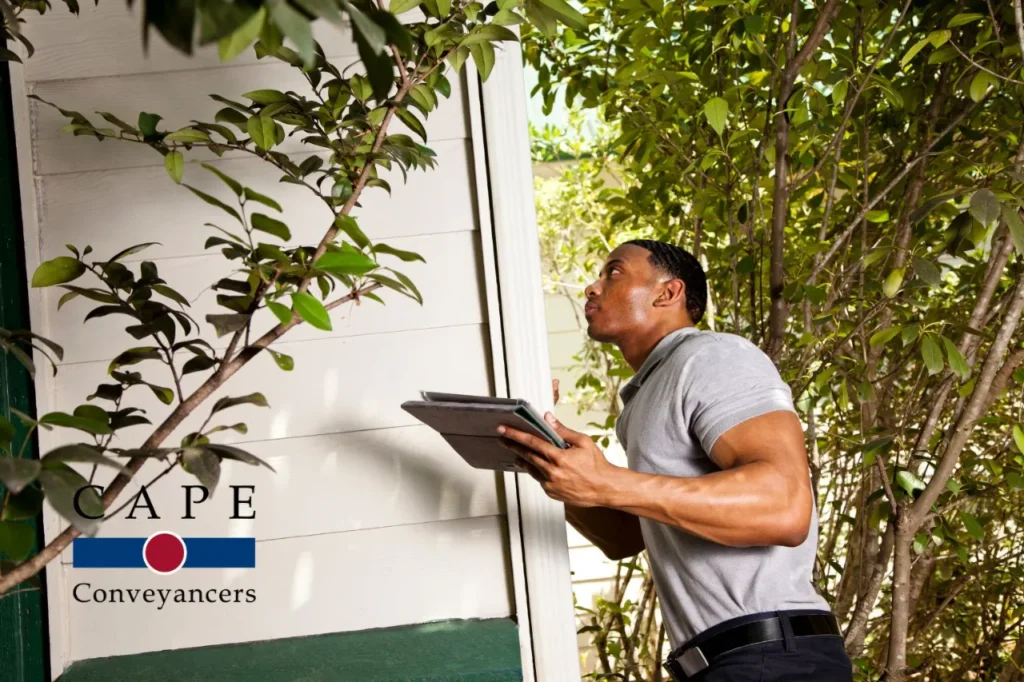
What Are Inspection Certificates?
Inspection certificates are official documents that verify a property has been checked and complies with South African regulations. They provide written assurance from qualified professionals that the property is safe, compliant, and fit for transfer.
Common Types of Inspection Certificates in South Africa
Homeowners selling their property may be required to obtain different certificates depending on the location and type of property. Your conveyancing attorney will inform you on which certificates are needed for your property. These include:
- Electrical Compliance Certificate (CoC) – Confirms that electrical installations meet safety standards.
- Beetle Certificate – Required in coastal regions, particularly the Western Cape and KwaZulu-Natal, to ensure the property is free of wood-destroying insects.
- Plumbing Certificate – In Cape Town, sellers must provide a certificate confirming that the plumbing complies with municipal by-laws.
- Gas Certificate – Needed if the property has gas installations.
- Electric Fence Certificate – Mandatory where an electric fence is installed.
Legal and Compliance Requirements
South African law requires these certificates as part of the property transfer process. The Deeds Office will not register a property sale without the necessary documents, making them non-negotiable for sellers.
Why Sellers Need Inspection Certificates
Ensuring Legal Compliance
Without valid inspection certificates, a seller cannot legally transfer ownership of the property. This compliance step ensures that no unsafe or unlawful installations are passed on to the buyer.
Boosting Buyer Confidence
Inspection certificates reassure buyers that they are investing in a property that meets safety standards. This transparency fosters trust and often speeds up negotiations.
Avoiding Delays in Transfer Process
Missing or outdated certificates can delay the property transfer process, leading to unnecessary stress and potential financial setbacks for both parties.
Benefits for Buyers
Transparency in Property Transactions
For buyers, inspection certificates provide clear evidence that the property complies with regulations. This prevents disputes and unexpected costs after the sale.
Protecting Buyers Against Hidden Risks
Certificates also safeguard buyers from hidden risks, such as faulty wiring, water leaks, or pest infestations, which could otherwise result in costly repairs.
The Process of Obtaining Inspection Certificates
Who Issues the Certificates?
Certificates must be issued by licensed professionals such as electricians, plumbers, or pest control specialists. Only registered and accredited contractors can provide valid certificates.
Costs Involved
The seller typically bears the cost of obtaining inspection certificates. Prices vary depending on the certificate type, property size, and any remedial work required.
How Long Are Certificates Valid?
Most certificates are valid for a limited period, usually between 6 and 24 months. If the property transfer does not occur within that timeframe, a new inspection may be necessary.
Consequences of Not Having Inspection Certificates
Legal Penalties
Failure to obtain mandatory inspection certificates can prevent the sale from being registered. In some cases, sellers may also face legal penalties.
Financial Risks
Without valid certificates, sellers may be forced to cover the cost of emergency repairs or risk losing potential buyers altogether.
FAQs: Inspection Certificates in South Africa
1. Who is responsible for paying for inspection certificates?
The seller is usually responsible, though costs may be negotiated in the sale agreement.
2. Are inspection certificates required for every home sale?
Yes, most South African property sales require at least an Electrical Compliance Certificate. Additional certificates depend on the property and location.
3. Can a buyer request additional certificates?
Yes. Buyers may request further inspections, especially if they suspect risks not covered by standard certificates.
4. What happens if a certificate reveals problems?
The seller must fix the issues before the certificate can be issued, ensuring the property meets safety standards.
5. Do certificates expire?
Yes. Certificates generally remain valid for a limited period, often 6–24 months, depending on the type.
6. Can a property be sold without inspection certificates?
No. Transfer of ownership cannot be registered until the required certificates are presented.
Conclusion: Building Trust and Compliance in Property Sales
In the South African property market, inspection certificates are a critical part of selling a home. They protect both sellers and buyers, ensure legal compliance, and build trust in the transaction process.
For sellers, having these documents in order avoids delays and reassures buyers. For buyers, it provides peace of mind knowing that their investment is safe and compliant. In short, inspection certificates are not just paperwork – they are essential safeguards for one of life’s biggest financial decisions.