
Buying or selling property in South Africa is a major financial milestone, but it comes with many legal steps. One of the most common questions asked is: Who appoints the conveyancing attorney during a property sale in South Africa?
The short answer: the seller appoints the conveyancing attorney. This is standard practice across the country and is rooted in property law and longstanding real estate traditions. Let’s explore why this is the case and what it means for both buyers and sellers.
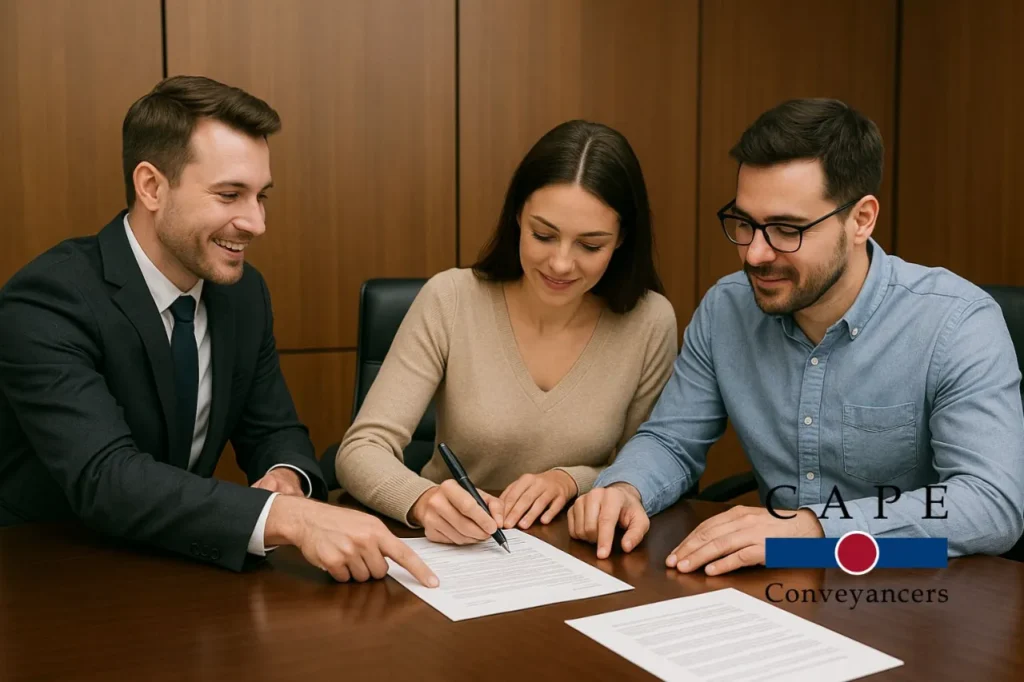
What Is a Conveyancing Attorney and Why Do You Need One?
Conveyancing is the legal process of transferring ownership of immovable property, such as a house, flat, or piece of landfrom, the seller (current owner) to the buyer (new owner).
This process must be handled by a qualified conveyancer, who is an attorney admitted to the High Court with additional conveyancing qualifications. Their tasks include:
- Drafting and lodging transfer documents with the Deeds Office.
- Collecting and paying transfer duty to SARS (South African Revenue Service).
- Ensuring municipal rates and taxes are settled.
- Registering the buyer as the new owner in the Deeds Registry.
Without a conveyancing attorney, the transfer process could face delays, disputes, or even cancellation.
Who Appoints the Conveyancing Attorney?
In South Africa, it is always the seller who appoints the conveyancing attorney. The reasoning is straightforward:
- The seller is the current legal owner of the property.
- Only they can initiate the transfer process.
- It ensures the seller’s financial and legal obligations are properly discharged before the property is registered in the buyer’s name.
Why Does the Seller Usually Appoint the Attorney?
There are three main reasons why South African law and custom give this responsibility to the seller:
- Control over the transfer process – Since the seller must hand over legal ownership, they choose the conveyancing attorney who manages the transfer.
- Protection of the seller’s interests – The attorney ensures all the seller’s debts, rates, and taxes are cleared before transfer.
- Efficiency – Using one conveyancer streamlines the process, avoiding unnecessary duplication of work.
What Should Buyers Know?
Although the seller appoints the attorney, the buyer pays the conveyancing fees. This can feel unfair, but it is the standard practice in South Africa.
To protect themselves, buyers should:
- Request a cost estimate before signing the sale agreement.
- Confirm that the appointed attorney is reputable and registered.
- Hire their own independent attorney for advice, if they feel uneasy about the seller’s choice.
How Much Are Conveyancing Fees?
Conveyancing fees are not arbitrary, they are set according to the recommended tariff by the Legal Practice Council, based on the value of the property.
For example:
- A R1,000,000 property might attract around R20,000–R25,000 in legal fees, excluding VAT and disbursements.
- Additional costs include transfer duty (tax payable to SARS) and bond registration fees (if applicable).
Buyers should budget for these costs early to avoid surprises.
Risks of Not Having the Right Conveyancing Attorney
If the wrong attorney is chosen, or if the process isn’t handled correctly, buyers and sellers could face:
- Delays at the Deeds Office.
- Disputes over unpaid municipal charges.
- Invalid registration of ownership.
For this reason, both parties benefit from having a skilled and experienced conveyancer involved.
FAQs
1. Who appoints the conveyancing attorney in South Africa?
The seller appoints the attorney.
2. Who pays the conveyancing attorney?
The buyer pays the attorney’s fees.
3. Can the buyer use their own attorney?
Yes, but only in an advisory role. The official transfer must be handled by the seller’s appointed attorney.
4. How long does conveyancing take in South Africa?
On average, 6–12 weeks, depending on municipal clearance certificates and SARS processing times. Ask the conveyancing attorney of any delays currently with the transfers of property during the conveyancing process.
5. Are conveyancing fees negotiable?
Attorneys usually follow tariff guidelines, but some may agree to discounts.
6. What’s the role of the Deeds Office?
The Deeds Office registers the new ownership and ensures the property transfer is legally valid.
Conclusion
So, who appoints the conveyancing attorney during a property sales? The answer is simple: the seller. While the buyer covers the fees, the seller’s attorney oversees the transfer. For a smooth, stress-free experience, both parties should ensure the conveyancer is reputable, transparent, and experienced in property law.
Roberts Incorporated can assit with your conveyancing process. Contact them today to start your conveyancing process.